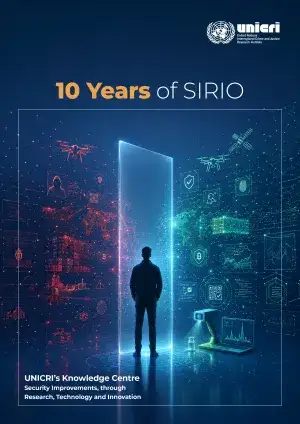
UNICRI's Knowledge Centre: Security Improvements through Research, Technology and Innovation (SIRIO)
02 Jul 2026
A Decade of Innovation for Security
UNICRI’s publications offer insights from cutting-edge research, tailored to global and context-specific needs, providing evidence-based analysis to inform policymaking and build advanced capacities.
Addressing topics such as violent extremism, organised crime, cybersecurity, CBRN risk mitigation, artificial intelligence, environmental crimes, gender issues, disinformation, illicit financial flows, and justice reform, these studies foster collaboration and advance sustainable solutions for peace, equality, and development. Explore our collection to stay informed and inspired.
Through our publications, we aim to deepen knowledge, foster collaboration, and drive forward sustainable solutions that promote justice, peace, security, accountability, equality, and development. Whether you are a policymaker, researcher, or practitioner, UNICRI’s publications serve as a trusted resource to inspire informed action and meaningful impact. Explore our collection to stay at the forefront of global and local security challenges.
02 Jul 2026
26 Jun 2026
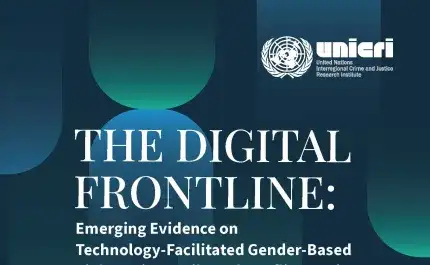
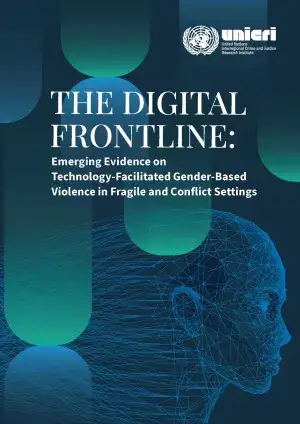
Advances in digital technologies have improved communication and the sharing of information have become an important component of security and peacebuilding efforts. At the same time, they have enabled new forms of gender-based violence and disinformation that disproportionately affect women in public and professional roles.
12 May 2026
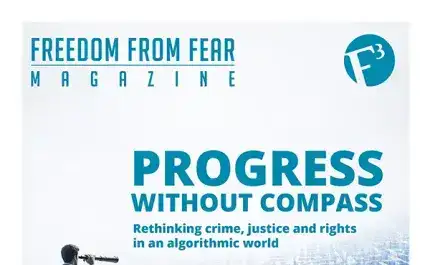
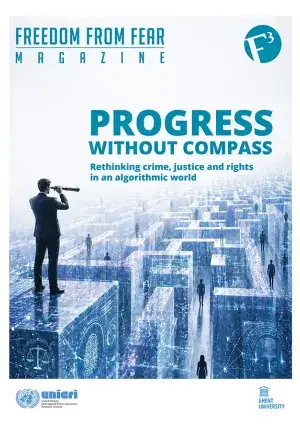
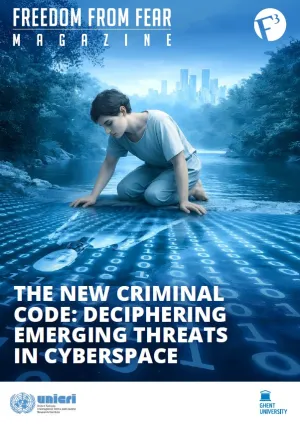
The unprecedented speed of digital transformation is reshaping not only the way societies communicate, work, and access information, but also the way crime evolves, operates, and impacts individuals, institutions, and States. In a global context marked by growing geopolitical tensions, social fragmentation, and accelerating technological change, the opportunities created by innovation increasingly coexist with new vulnerabilities that are often difficult to identify, govern, and contain.
11 May 2026
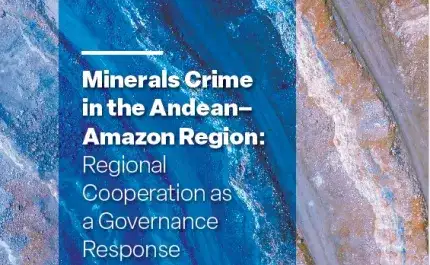
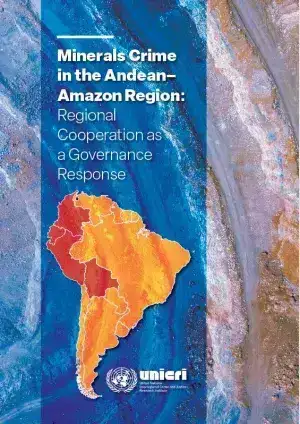
How can governments respond effectively to minerals crime when criminal networks operate across borders, supply chains, and financial systems?
07 May 2026
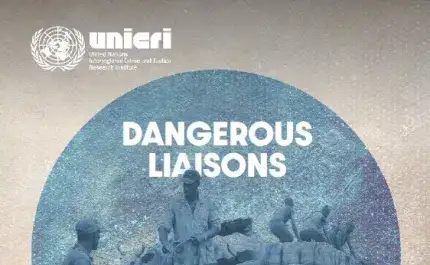
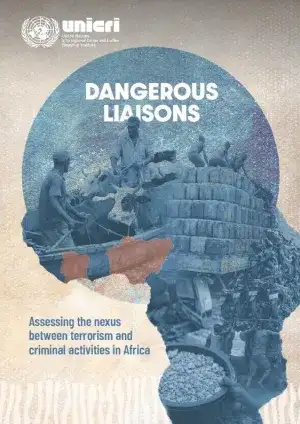
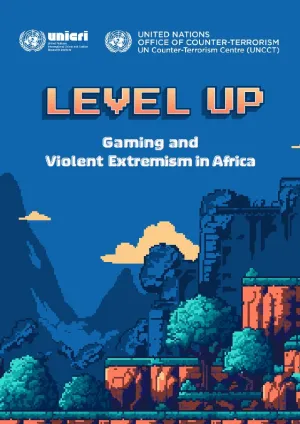
Across several regions of Africa, the relationship between terrorism and illicit economies interacts with broader patterns of insecurity. In environments marked by fragile institutions, porous borders and expansive informal markets, violent extremist groups and criminal actors operate within overlapping spaces where the boundaries between legality and illegality are often blurred. These conditions create environments in which illicit economic systems can be exploited by violent extremist groups.
02 Jul 2026
26 Jun 2026
Advances in digital technologies have improved communication and the sharing of information have become an important component of security and peacebuilding efforts. At the same time, they have enabled new forms of gender-based violence and disinformation that disproportionately affect women in public and professional roles.
12 May 2026
The unprecedented speed of digital transformation is reshaping not only the way societies communicate, work, and access information, but also the way crime evolves, operates, and impacts individuals, institutions, and States. In a global context marked by growing geopolitical tensions, social fragmentation, and accelerating technological change, the opportunities created by innovation increasingly coexist with new vulnerabilities that are often difficult to identify, govern, and contain.
11 May 2026
How can governments respond effectively to minerals crime when criminal networks operate across borders, supply chains, and financial systems?
07 May 2026
Across several regions of Africa, the relationship between terrorism and illicit economies interacts with broader patterns of insecurity. In environments marked by fragile institutions, porous borders and expansive informal markets, violent extremist groups and criminal actors operate within overlapping spaces where the boundaries between legality and illegality are often blurred. These conditions create environments in which illicit economic systems can be exploited by violent extremist groups.
02 Jul 2026
26 Jun 2026
Advances in digital technologies have improved communication and the sharing of information have become an important component of security and peacebuilding efforts. At the same time, they have enabled new forms of gender-based violence and disinformation that disproportionately affect women in public and professional roles.
12 May 2026
The unprecedented speed of digital transformation is reshaping not only the way societies communicate, work, and access information, but also the way crime evolves, operates, and impacts individuals, institutions, and States. In a global context marked by growing geopolitical tensions, social fragmentation, and accelerating technological change, the opportunities created by innovation increasingly coexist with new vulnerabilities that are often difficult to identify, govern, and contain.
11 May 2026
How can governments respond effectively to minerals crime when criminal networks operate across borders, supply chains, and financial systems?
07 May 2026
Across several regions of Africa, the relationship between terrorism and illicit economies interacts with broader patterns of insecurity. In environments marked by fragile institutions, porous borders and expansive informal markets, violent extremist groups and criminal actors operate within overlapping spaces where the boundaries between legality and illegality are often blurred. These conditions create environments in which illicit economic systems can be exploited by violent extremist groups.
02 Jul 2026
26 Jun 2026
Advances in digital technologies have improved communication and the sharing of information have become an important component of security and peacebuilding efforts. At the same time, they have enabled new forms of gender-based violence and disinformation that disproportionately affect women in public and professional roles.
12 May 2026
The unprecedented speed of digital transformation is reshaping not only the way societies communicate, work, and access information, but also the way crime evolves, operates, and impacts individuals, institutions, and States. In a global context marked by growing geopolitical tensions, social fragmentation, and accelerating technological change, the opportunities created by innovation increasingly coexist with new vulnerabilities that are often difficult to identify, govern, and contain.
11 May 2026
How can governments respond effectively to minerals crime when criminal networks operate across borders, supply chains, and financial systems?
07 May 2026
Across several regions of Africa, the relationship between terrorism and illicit economies interacts with broader patterns of insecurity. In environments marked by fragile institutions, porous borders and expansive informal markets, violent extremist groups and criminal actors operate within overlapping spaces where the boundaries between legality and illegality are often blurred. These conditions create environments in which illicit economic systems can be exploited by violent extremist groups.